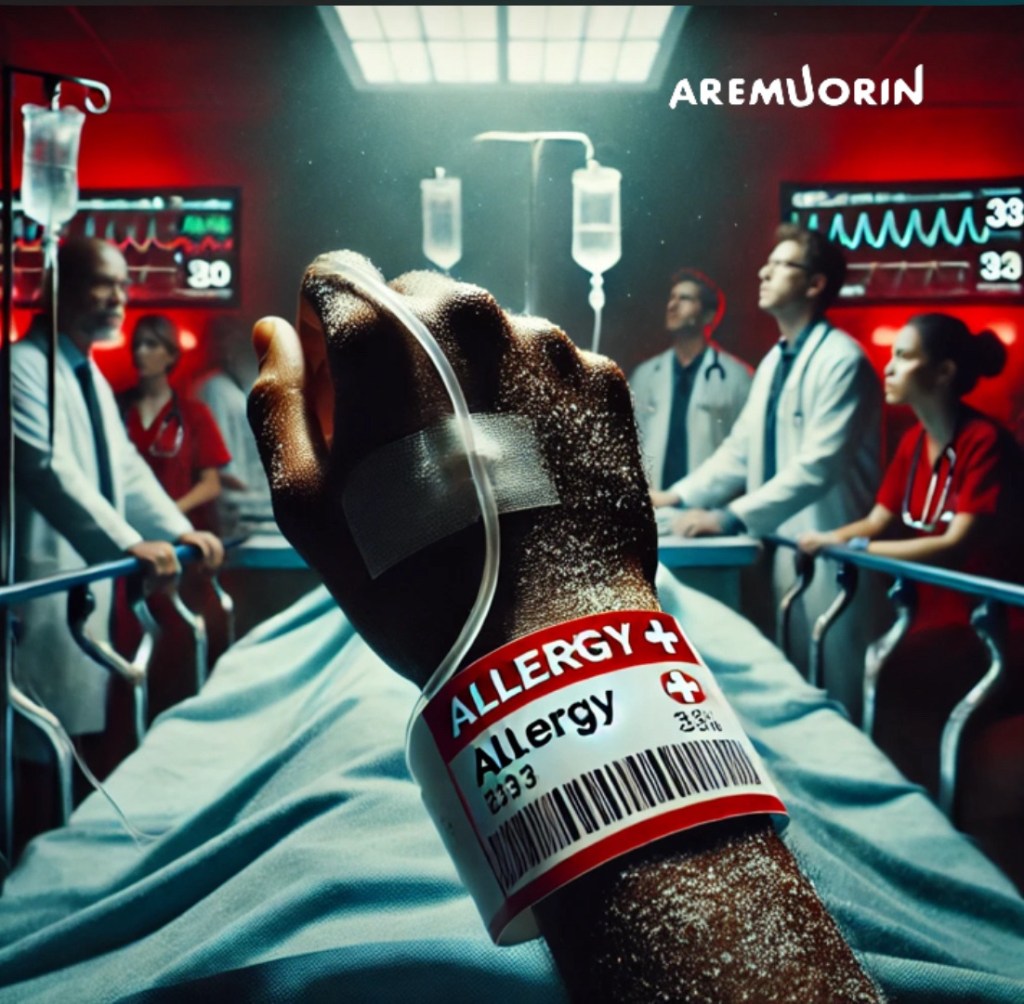
Living with long term health conditions has taught me that receiving care is not always the same as feeling safe
Sometimes the most exhausting part is not the illness itself. It is having to repeat your history, explain your triggers and prove that the adjustments you need are real.
I share this because many people living with chronic conditions know this quiet exhaustion. We are not difficult patients because we understand our bodies, ask questions or request safer care. Lived experience is evidence too.
When Care Becomes Fragmented
People living with long-term conditions often move between different doctors, departments, medications and appointment systems. Every transition creates another opportunity for important information to be missed.
A medical record may contain facts, but it does not always communicate the full reality of living with a condition every day. A brief consultation cannot reveal everything a patient has observed about their symptoms, reactions, triggers and previous treatments.
Repeatedly explaining this history can cause fatigue, anxiety and distress. It can also leave a patient wondering whether anyone is seeing the whole picture.
Reasonable adjustments should therefore be understood as part of safe access to healthcare, not as preferential treatment. Written communication, accessible appointments and properly recorded needs can help patients understand decisions and reduce avoidable confusion.
Listening carefully may reveal a risk that cannot be found on a checklist.
A Patient Is a Partner
World Patient Safety Day takes place on 17 September 2026. This year’s theme is “Safe care for noncommunicable diseases”, supported by the slogan “Safe care for life!”
According to the World Health Organization, one in ten patients globally experiences harm while receiving healthcare, and approximately half of this harm is considered preventable. People managing long-term conditions may be particularly vulnerable because they require continuing care across different settings and stages of life.
The World Health Organization also emphasises that people with lived experience should be treated as partners in the design and delivery of care.
This partnership does not diminish medical expertise. It strengthens it.
The healthcare professional brings clinical training, specialist knowledge and experience. The patient brings intimate knowledge of their own body, history, symptoms and responses. Safer care becomes possible when these two forms of knowledge meet with mutual respect.
Compassion Is a Safety Practice
Care is not only a clinical transaction. It is an encounter with a whole human being.
A person may arrive at an appointment carrying fear, trauma, physical pain or the exhaustion of fighting to remain functional. They may also be navigating financial pressures, discrimination, communication difficulties or several conditions at once.
Compassion does not mean abandoning professional boundaries or agreeing with every request. It means listening seriously, communicating clearly and remembering the dignity of the person receiving care.
Faith without compassion can become performance. Expertise without listening can miss the person standing directly in front of it.
Christ repeatedly responded to people others had ignored, dismissed or pushed aside. His compassion was not merely spoken. It was demonstrated through attention, dignity and practical action.
That principle should still challenge us today. People should not have to surrender their voice in order to receive help. It is right not a privilege to carry.
Being Heard Is Part of Being Safe
Patient participation requires responsibility from everyone involved. Patients should communicate as honestly and clearly as they can. Healthcare professionals and organisations must be willing to listen, record concerns accurately and respond appropriately.
Being heard will not solve every medical problem. It will not remove every risk. However, it can prevent a vulnerable person from becoming invisible inside the very system intended to protect them.
“Listening to a patient is not a courtesy added to care. It is part of what makes care safe.”
Àrèmúorin
Safe care begins when clinical knowledge and lived experience meet without hostility. It grows when patients are empowered to ask questions and healthcare teams are supported to answer them with clarity.
Sometimes protecting a life begins with something apparently simple: believing that the person in front of you has something important to say.
MercyfulGrace Humanity in Action believes that care should protect dignity as well as life. Discover how compassion can become practical action.
Source: World Health Organization, World Patient Safety Day 2026.


Leave a Reply